
Find Sioux City Residents
Start with the record that matches the fact in hand. A full street address belongs first in USPS and the Sioux City assessor route. A name can be checked in the Iowa voter lookup, Iowa Courts Online, business filings, and historical collections. An old address belongs in city directories, census schedules, newspapers, and maps. These systems do not form one master roll. Each has its own keeper, date range, fields, and privacy rules.
The Sioux City residents directory is strongest when results remain separate. A parcel card can name a deed holder and tax mailing address without identifying every occupant. A voter result confirms registration under current rules, not ownership. Court indexes identify parties in public cases, while confidential or older records may require the clerk’s terminal. Historical phone books favor subscribers and omit unlisted households. Write down each search date, spelling, address form, and access status.
- Verify the full address and ZIP through USPS.
- Check the Sioux City assessor route for the parcel, situs address, and deed-holder fields.
- Use the Iowa voter and court searches only for the questions those systems answer.
- Trace recorded ownership through the Woodbury transfer books and Iowa Land Records.
- For past residents, ask Aalfs Library for city directories, newspapers, and yearbooks.
- When a portal stops, contact the custodian or make a focused Chapter 22 request.
Sioux City Directory Offices
Three Woodbury County offices handle much of the official resident trail. The combined Auditor and Recorder keeps land records, transfer books, plats, and local vital-copy services. The city assessor routes current property searches toward Beacon. Elections manages precinct and polling information, while Iowa’s Secretary of State operates the voter registration lookup. Call the specific unit because one building can contain several custodians.
Woodbury Auditor & Recorder
620 Douglas Street, Room 106
Sioux City, IA 51101
712-279-6528
Sioux City Parcel Directory
The Sioux City assessor search is the official handoff to Beacon. County instructions say owner-name and address search are available, but the general Beacon page was blocked during the research inspection. That means its exact live fields, result order, and export tools were not verified. Use the assessor office as the fallback for a current or historical parcel card.
The official assessor handoff appears below.

The handoff confirms the right custodian even when the outside viewer fails. Ask with the situs address, parcel ID if known, and a defined date.
- Parcel
- A mapped unit of land with a tax identifier.
- Situs address
- The physical address assigned to the parcel.
- Mailing address
- The address used for tax correspondence, which may be elsewhere.
- Index
- A finding list that points to a record or image.
Map Sioux City Resident Clues
The Sioux City Maps page links parcel mapping and city map resources. County ArcGIS data adds technical parcel geometry, while city zoning layers show land-use districts. Those map fields do not identify every resident. Geometry confirms the mapped shape, and the assessor record supplies ownership-related fields when available.
The city’s map gateway is shown here.
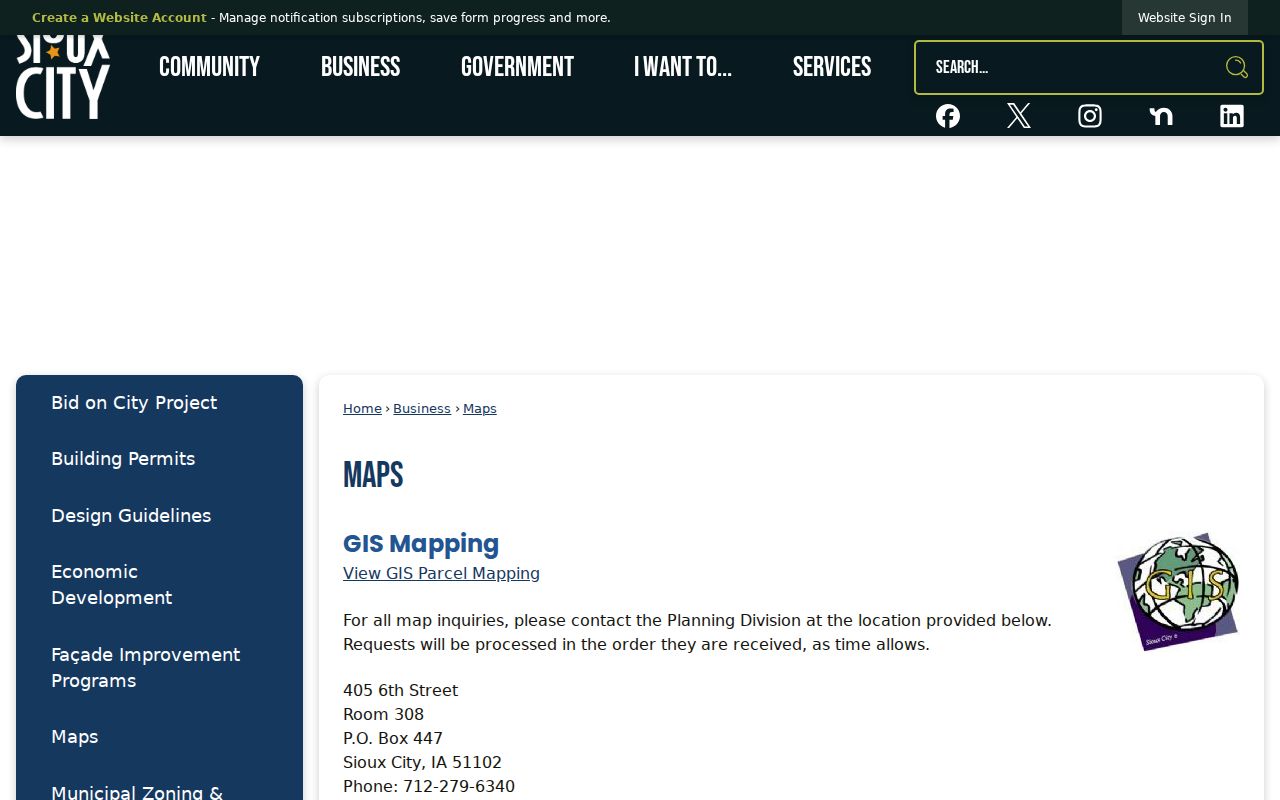
Use it to check the parcel and nearby landmarks, then return to the custodian for a dated card. Zoning, school district, and neighborhood labels describe place, not occupancy.
Sioux City Deed Directory Trail
The Woodbury Auditor and Recorder connects modern parcel facts to recorded instruments. Its transfer-book workflow covers 1960 through February 24, 2020 in Cott. Older plat and transfer books remain an office or archive route. For a town lot, search by addition, block, and lot. For other land, use Section, Township, and Range. Then retrieve the deed through the county reference or Iowa Land Records.
The county real-estate instructions are captured below.
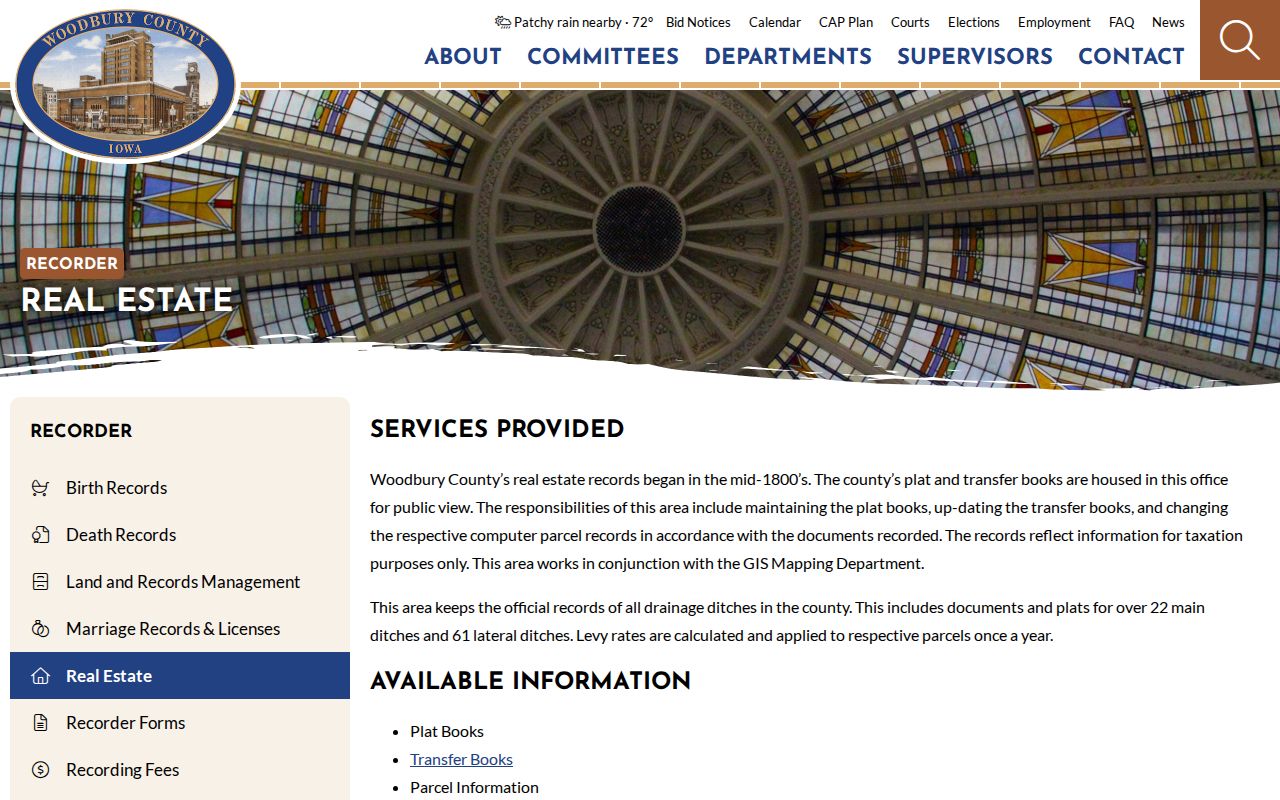
The instructions show why a brief tax description should not replace the legal description in a deed. Record parties, date, document type, book or image reference, and the exact legal land description.
Current Sioux City Resident Rolls
Current directory-like sources cover narrow groups. Compare them instead of merging them. The assessor identifies parcel and deed-holder information. Elections tools serve registration and polling tasks. The Recorder indexes parties to legal instruments. Iowa Courts Online identifies parties in public case indexes, and the city phone directory routes requests to city offices. None is a list of every Sioux City resident.
| Source | Who It Lists | Keeper | Access |
|---|---|---|---|
| Assessor parcel record | Deed and contract holders | Sioux City Assessor | Portal handoff or office |
| Voter lookup | Registered voter match | Iowa Secretary of State | Name and five-digit ZIP |
| Recorded land index | Parties to instruments | Woodbury Recorder | Online and office routes |
| Trial-court index | Parties in public cases | Iowa Judicial Branch | Free index; terminal fallback |
| Neighborhood Network | Public contacts and groups | Sioux City | No member directory |
Use the named source for one question at a time. When the task concerns a single person rather than an address or roll, the resident lookup page provides the focused verification sequence.
Sioux City Voter Lookup Fields
The Iowa voter registration lookup requires first name, last name, and a five-digit ZIP. It is not an address search. The Woodbury election site separately accepts ZIP or city to route polling-place and sample-ballot questions. Voter-list products have specific legal uses under Iowa law, and protected program participants may not appear through an ordinary lookup.
The state interface is shown below.
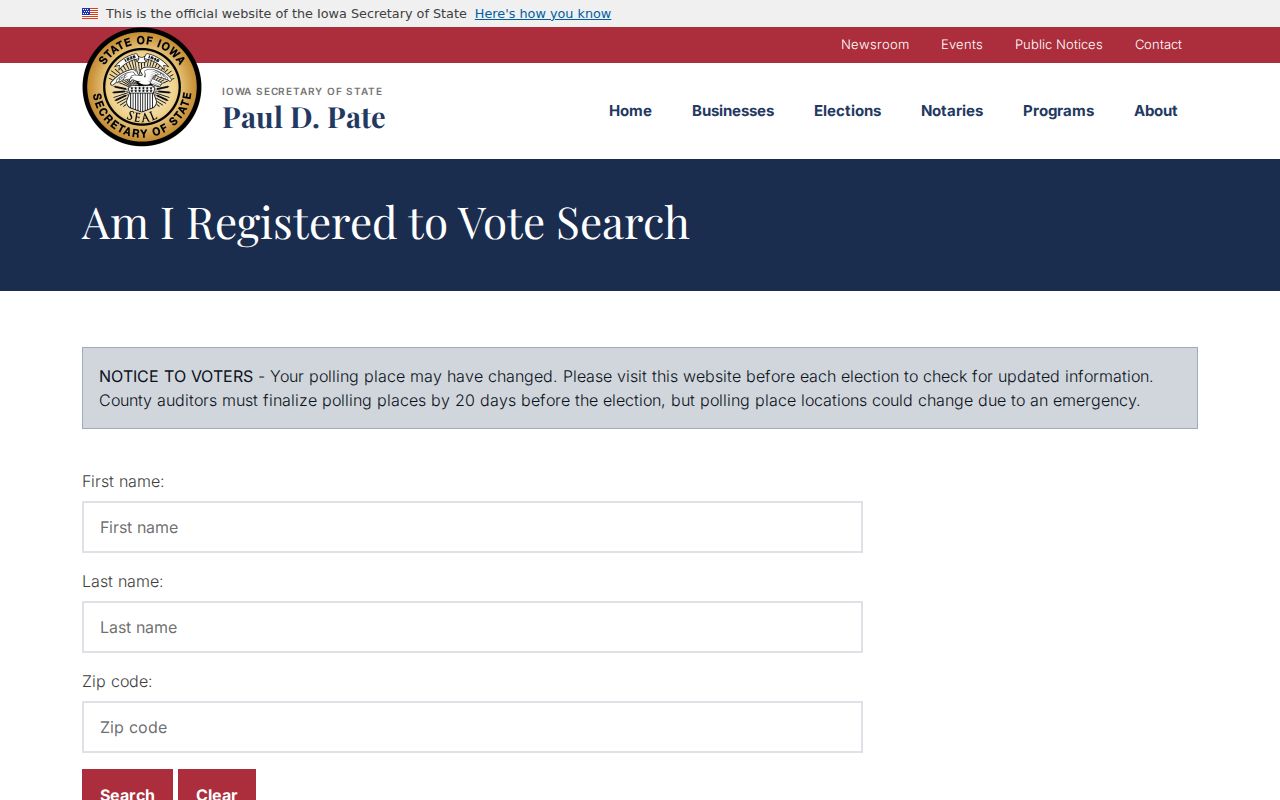
Use the search only for lawful civic or personal research. A missing result can reflect spelling, status, timing, or confidentiality and is not proof that a person is absent from Sioux City.
Sioux City Court Record Search
Iowa Courts Online provides a free statewide public trial index without registration. Name, Case ID, and Citation modes are available, with public trial coverage generally after 1998. A result can show party, county, case type, filing date, status, charges or events where public, and disposition details. It is an index, not always the full case file.
For older or complete Woodbury files, use the public terminal or contact the Clerk of Court at 620 Douglas Street, Room 101, 712-279-6611. Juvenile, sealed, and confidential cases remain restricted. The clerk can provide certified copies but is not required to conduct broad research.
Sioux City Vital Record Routes
Iowa vital registration begins July 1, 1880. Certified copies through Iowa HHS or the Woodbury Recorder are restricted to entitled people with accepted proof or authorization. The current research lists $20 per search or copy. Some births, deaths, and marriages from 1921 through 1941 are held at the state rather than the county, and sealed or amended records follow added rules.
For family history, the State Historical Society offers indexes and microfilm routes. Iowa Code section 144.43 provides archival access after 75 years for birth, marriage, divorce, and annulment records, and after 50 years for death and fetal-death records, subject to the statute. A genealogy index is not a certified certificate.
Check Sioux City Address Geography
Run a complete address through the USPS lookup before searching a person by ZIP. Sioux City uses nine codes in the state table, and 51102 is P.O. Box only. A box address must not be treated as a physical home. USPS also warns that an address result does not confirm a person or company there.
The official postal tool appears below.
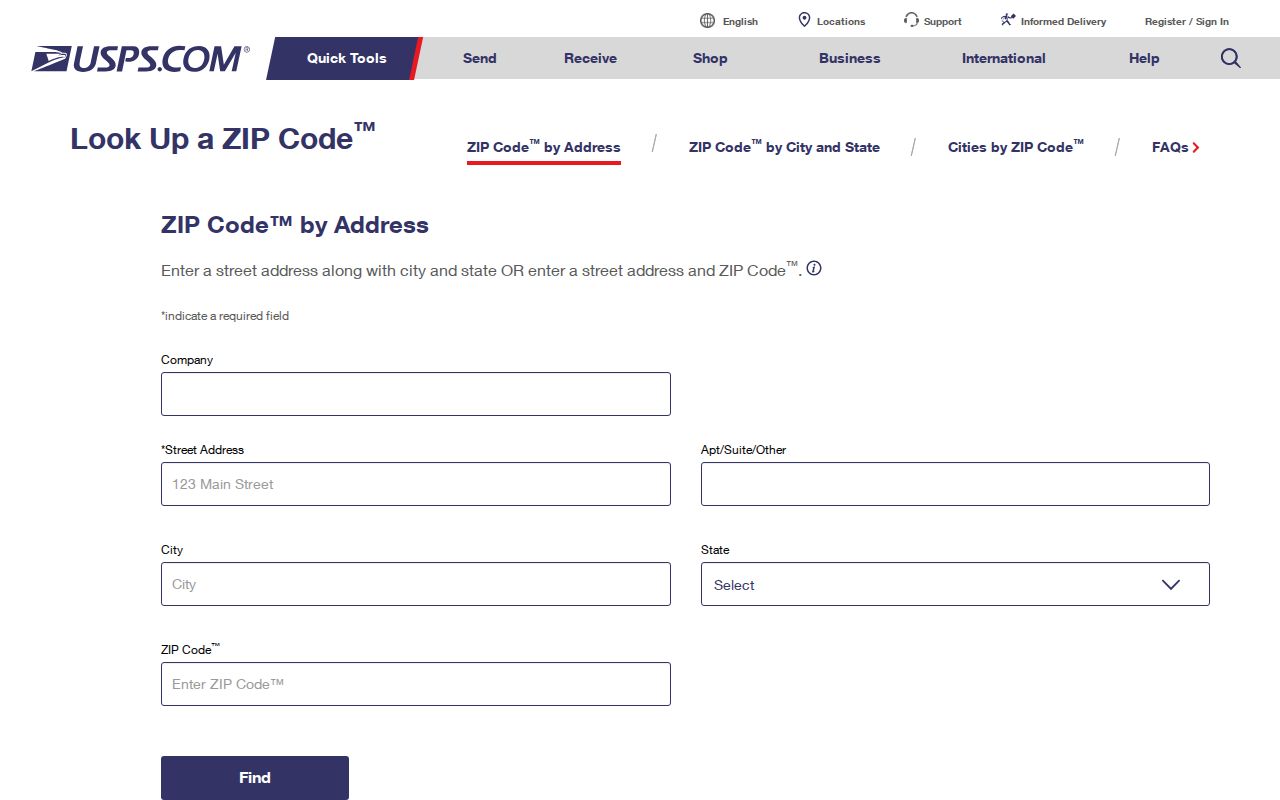
Compare the returned ZIP with the parcel situs and Woodbury election route. Preserve conflicts instead of forcing them into one answer.
Historical Sioux City Directories
Wilbur Aalfs Downtown Library keeps Polk directories and phone books under Local History 917.77, along with Journal microfilm, yearbooks, family-history materials, and licensed databases. Public digital runs include Library of Congress telephone books for 1936-40, 1941-45, and 1956-58, plus NARA holdings for 1929-32. The exact local shelf run is not posted, so ask staff before traveling.
The library research service is shown here.

A dated directory can show a printed name, street address, work detail, spouse note, or telephone. The full Sioux City city directory page explains the collections and entry keys.
Sioux City Family Archive Paths
The State Historical Society’s Woodbury holdings extend far beyond online indexes. Groups include land transfers from the 1850s, probate through 1925, naturalization through 1943, and historic vital, tax, and divorce material. Iowa state census years include 1856, 1885, 1895, 1905, 1915, and 1925. These sources can connect relatives when a directory year is missing.
The Sioux City Museum Research Center adds more than 60,000 subjects involving people, houses, streets, architecture, immigration, military history, and real estate. Aalfs Library, the museum, and state microfilm form the strongest local family-history chain. Ask each archive with a name, date range, address, and source type instead of requesting a broad profile.
Sioux City Cemetery Record Requests
Sioux City maintains interment records for Graceland, Logan Park, and Floyd cemeteries, but the captured city page did not expose a public name search. Contact the cemetery office with a full name, approximate death date, likely cemetery, and relationship or purpose if requested. This office route can close a family trail after a directory or obituary result.
No online result should be invented when the city keeps the index at its office. Aalfs staff can search Journal material when given the name and death date, while cemetery staff can check the burial or lot record.
Sioux City Registry Boundaries
The Iowa registry offers basic last name, first name, alias, and ZIP fields, plus advanced, map, telephone, and email modes. It warns that it is not a complete list and that status and record rules affect who appears. Use it only for its stated public-safety purpose.
The captured registry screen appears below.

The county jail page offers facility, bond, and IowaVINE information but no public current roster was located. A missing online name is never proof of no record.
Compare Sioux City Directory Sources
Official records and commercial compiled listings are not the same product. The official source identifies its custodian, legal purpose, search date, and correction route. A compiled listing may blend old public records with other data and can lose the date or field label that explains a result. For family, heir, civic, property, or personal-safety research, begin with the official roll and preserve the evidence trail.
| Source type | What it provides | Main limit |
|---|---|---|
| County or city record | Dated parcel, deed, permit, or office-held file | May require an office request |
| State index | Voter, court, business, license, or archive finding data | Confidential and older items may be absent |
| Library or archive | Historical directories, newspapers, maps, and microfilm | Some access is onsite or staff assisted |
| Commercial compiled category | Convenient merged leads | Source dates and role labels may be unclear |
A free online index can still be incomplete, and a paid result can still be wrong. Verify a deed with the Recorder, a parcel with the assessor, a court file with the clerk, and an old directory entry with its scanned page or holding library.
Protect Sioux City Resident Privacy
Public does not mean unrestricted. Safe at Home provides qualifying survivors with a substitute address, mail forwarding, and confidential voter registration. Protect Our Protectors serves qualifying public-safety and justice personnel and their families, though real-estate records remain separately governed. These programs explain why an ordinary address search can be intentionally incomplete.
Keep current personal details to the minimum needed. Label owner, occupant, mailing address, voter, court party, and business agent as distinct roles. Iowa Code Chapter 22 allows access to public records subject to exceptions and reasonable direct costs; a custodian need not create a new database or perform a broad investigation.